



Creating a relaxing home workspace is essential for maintaining productivity and comfort, especially as more people adapt to working remotely. A well-designed workspace can reduce stress, improve focus, and make your workday more enjoyable. Whether you have a dedicated room or a small corner, there are simple steps you can take to transform your area into a calming and efficient workspace.
Why a Relaxing Workspace Matters
When your workspace feels cluttered or uninspiring, it can be hard to concentrate. A relaxing environment helps to clear your mind, reduce anxiety, and allow your creativity to flow. It is important to balance functionality and comfort to ensure you can work effectively for extended periods.
Choosing the Right Location
Consider Natural Light
Position your workspace near a window if possible. Natural light boosts mood and energy, making it easier to stay alert. Avoid glare on your screen by positioning your desk perpendicular to the window rather than directly facing it.
Minimise Distractions
Select a quiet area where you won’t be easily disturbed by household noise or traffic. If noise is unavoidable, using noise-cancelling headphones or playing soft background music can help maintain focus.
Furniture and Layout
Invest in Ergonomic Furniture
Comfort is key for a relaxing workspace. Choose an ergonomic chair that supports your posture to avoid back pain. Your desk should be at a comfortable height, allowing your arms to rest naturally while typing.
Keep it Spacious
Avoid overcrowding your desk. A clean, uncluttered surface allows you to focus better and can reduce stress. Use shelves or drawers to keep essentials within reach but off the desktop.
Create Zones for Different Tasks
If space allows, create areas for different activities such as a computer station, a writing area, or a spot for brainstorming. This can help your brain switch between tasks smoothly.
Colour and Decoration
Use Soothing Colours
Soft, neutral colours like light blues, greens, or pastels create a calm atmosphere. Avoid overly bright or harsh colours that might cause distraction or fatigue.
Add Personal Touches
Incorporate elements that make you feel at ease, such as a favourite photo, a small plant, or artwork. However, keep decorations minimal to avoid clutter.
Lighting
Balance Natural and Artificial Light
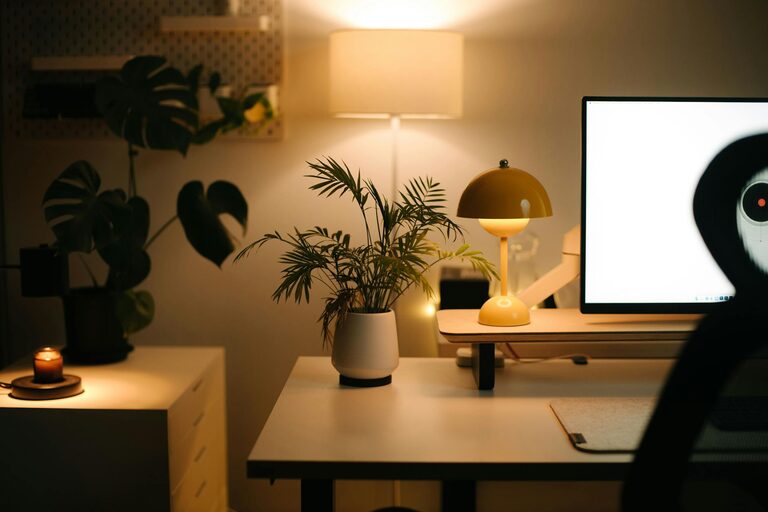
As daylight fades, use warm-toned lamps to avoid eye strain. Adjustable lighting allows you to adapt your workspace depending on the time of day.
Consider Task Lighting
A desk lamp with adjustable brightness helps when focusing on detailed work, reducing shadows on your working surface.
Organise Effectively
Declutter Regularly
Take a few minutes each day to tidy your workspace. Clearing unnecessary items creates a calmer environment and can improve concentration.
Use Organisers and Storage Solutions
Desk organisers, filing trays, and cable management tools keep everything in its place. Labelled storage helps you quickly find what you need.
Incorporate Comfort and Wellbeing
Add Greenery
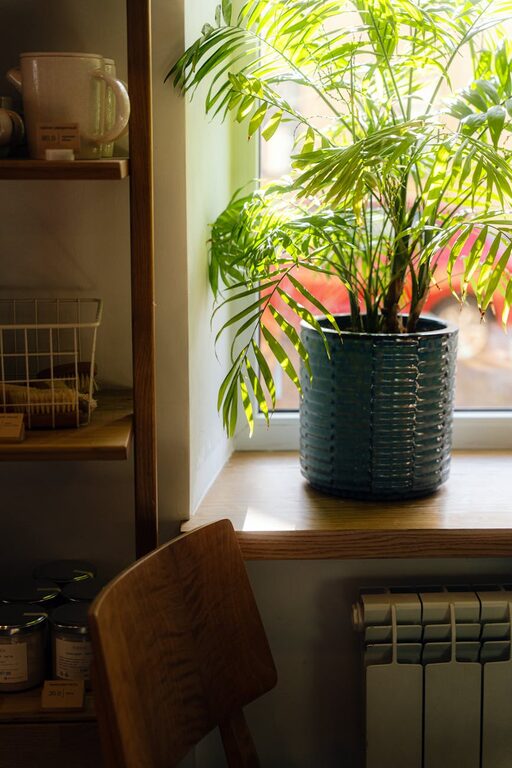
Houseplants improve air quality and add a refreshing touch to your workspace. Choose low-maintenance plants like succulents or peace lilies for easy care.
Maintain Good Air Circulation
Fresh air helps keep you alert. If possible, open windows regularly or use an air purifier.
Take Breaks and Move
Ensure your layout allows space to stand up, stretch or do quick exercises. Taking regular breaks improves circulation and reduces fatigue.
Technology Setup
Use Quality Equipment
Invest in reliable devices such as a comfortable keyboard, quality headphones, and a good monitor. Using the right tools supports productivity and reduces frustration.
Manage Cables
Keep cables organised with clips or binders to avoid a tangled mess that can distract or limit your workspace.
Establish Boundaries
Define Work Hours
Having a set schedule helps separate your workspace from your personal life, creating mental boundaries that support relaxation once work finishes.
Minimise Digital Clutter
Keep only relevant files and tabs open during work time. Consider productivity tools that help manage your tasks and avoid distractions.
Final Thoughts
Designing a relaxing home workspace is about creating a balance between comfort and functionality. By paying attention to lighting, organisation, furniture, and personal touches, you can build a space that not only looks inviting but also supports efficient work habits. Remember to regularly assess your setup and make adjustments as your needs change.
With these tips, your home workspace can become a sanctuary for productivity and wellbeing.