



Creating a cosy and inviting living room in a small home can seem challenging, but with thoughtful planning and smart design choices, it’s entirely possible to make your space both comfortable and stylish. Whether you live in a compact apartment, a tiny house, or simply have a modest living area, these tips will help you maximise your space without compromising on warmth and personality.
1. Choose the Right Colour Palette
Colours can dramatically influence how spacious and welcoming a room feels.
Opt for Light and Neutral Tones
Light colours such as soft whites, creams, pale greys, or gentle pastels reflect more natural light, making your living room feel brighter and more open. Neutrals create a calm backdrop that makes the room feel restful.
Add Pops of Warmth
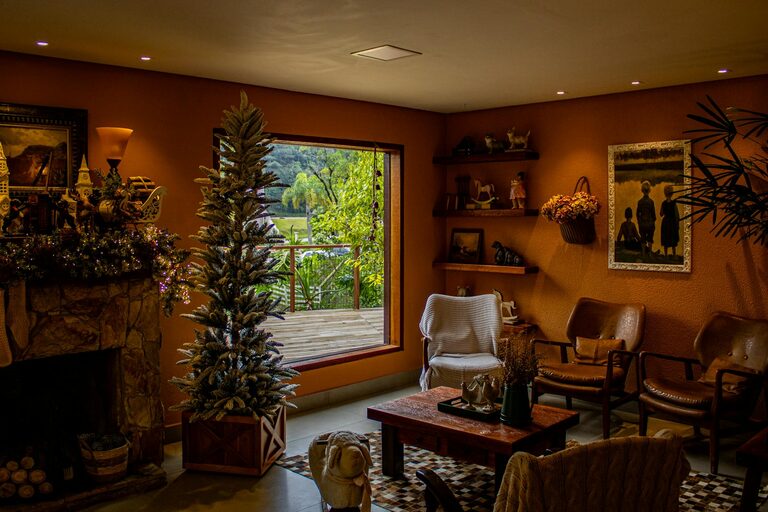
To add cosiness, incorporate warm hues like deep oranges, mustard yellows, or rich browns in cushions, throws, or artwork. This balances the light colours and gives the space character without overwhelming it.
2. Maximise Natural Light
Natural light makes any space more pleasant and inviting.
– Keep window treatments simple: Use sheer curtains or blinds that let sunlight filter through rather than heavy drapes that block light.
– Place mirrors strategically: Mirrors reflect light and visually expand a room. Position one opposite a window or in a spot reflecting a bright area to increase brightness.
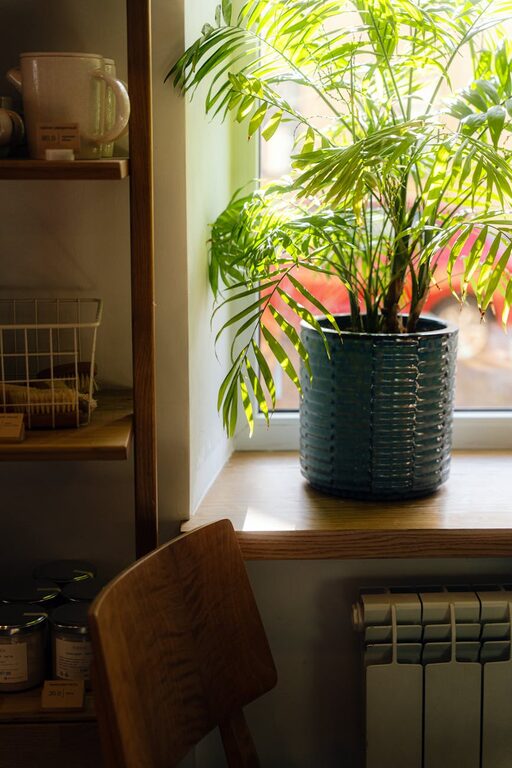
– Declutter windowsills: Avoid placing bulky items on windowsills that could obstruct light.
3. Invest in Multi-Functional Furniture
Small living rooms benefit greatly from furniture that does double duty.
– Sofa beds or daybeds: Perfect for seating during the day and sleeping at night if needed.
– Storage ottomans: Use these as extra seating, footrests, or coffee tables, and enjoy hidden storage inside.
– Nesting tables: Easily tuck them away when not in use, freeing up floor space.
– Wall-mounted shelves: They keep the floor clear while providing space to display décor or store essentials.
4. Arrange Furniture Thoughtfully
How you position your furniture influences both flow and comfort.
– Create clear pathways: Avoid cluttering the centre of the room to ensure you can move comfortably.
– Use furniture to define zones: Even in open or small spaces, grouping seating together creates intimacy. Place a small rug under the seating area to visually separate it.
– Float furniture off walls: Where possible, pull sofas or chairs slightly away from the walls to give the room a more inviting feel.
5. Layer Textures to Add Warmth
Texture plays a key role in making a space feel cosy.
– Soft cushions and throws: Choose fabrics like wool, cotton or faux fur for tactile comfort.
– Rugs: A soft rug introduces warmth underfoot and can add colour or pattern.
– Natural materials: Wooden furniture, woven baskets, or linen curtains bring a natural element that enhances cosiness.
6. Personalise with Thoughtful Décor
Adding items that reflect your personality makes a space feel truly inviting.
– Art and photos: Display favourite artwork or family photos in attractive frames for a personal touch.
– Plants: Indoor plants bring life to a small room and improve air quality. Small pots on shelves or larger floor plants in corners work well.
– Lighting: Use a combination of floor lamps, table lamps, and fairy lights for soft, layered lighting that creates a welcoming atmosphere.
7. Keep Clutter Under Control
A tidy room always feels more spacious and relaxing.
– Regularly declutter: Keep surfaces clear and remove items that aren’t used or loved.
– Use concealed storage: Baskets, boxes, or furniture with built-in storage help keep everything organised and out of sight.
– Designate ‘drop zones’: Have a specific place near the entrance or sofa to store keys, mail and everyday items to avoid clutter spreading across the room.
8. Pay Attention to Scale and Proportion
Choosing pieces that fit the size of your room is crucial.
– Select smaller-scale furniture: Avoid bulky sofas or oversized coffee tables that dominate the space.
– Opt for slimline pieces: Sofas with thin arms, open leg frames, or armless chairs create an airy feel.
– Low-profile furniture: Pieces that sit lower to the ground can make ceiling heights feel taller and the room less cramped.
9. Utilise Vertical Space
In a small living room, don’t forget your walls!
– Install shelving high: Use shelves higher up to draw eyes upwards and provide storage or display without taking floor space.
– Hang curtains near the ceiling: Position curtain rails just below the ceiling line rather than above windows; this heightens the appearance of the room.
– Use tall furniture: A slender bookcase or cabinet can provide storage while enhancing verticality.
10. Create a Relaxing Focal Point
A defined focal point makes a room feel inviting and anchored.
– Feature artwork or a gallery wall: A striking picture or collection of prints can draw attention.
– Fireplace or electric stove: If space allows, these provide warmth and a cosy atmosphere.
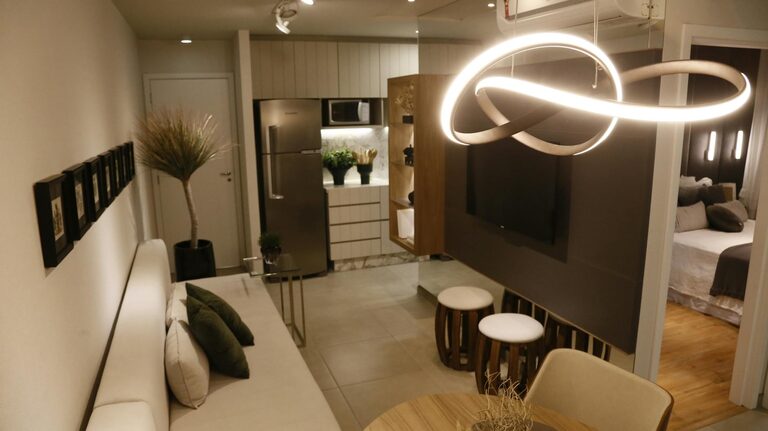
– Statement light fixture: A pendant light or chandelier can create interest and add style.
—
Final Thoughts
Designing a cosy and inviting living room in a small home is all about balance. Maximise light, choose the right colours, and pick furniture and accessories that combine style with practicality. Keep things organised, add texture, and personalise your space to create a welcoming spot that you’re happy to come home to. With these simple tips, even a modest living room can become your favourite cosy retreat.