


Creating a sustainable home garden can be a rewarding way to connect with nature while reducing your environmental footprint. By adapting your garden care to the changing seasons and using eco-friendly methods, you can enjoy fresh produce, beautiful plants, and a healthier outdoor space all year round. This guide offers practical tips to help you cultivate a sustainable garden through the seasons.
Why Choose a Sustainable Garden?
A sustainable garden focuses on working with nature instead of against it. This means conserving water, enhancing soil health, supporting local wildlife, and reducing waste. Such gardens not only provide food and beauty but also contribute to the environment by lowering carbon emissions and creating habitats for pollinators.
—
Preparing Your Garden for Each Season
To keep your garden productive and eco-conscious, it’s important to adjust your approach throughout the year. Here’s how to manage your garden season by season.
Spring: Planting and Soil Revival
Spring is all about growth and renewal.
– Soil Preparation: Start by enriching your soil with compost or well-rotted manure to improve fertility and structure.
– Choose Native Plants: Select plants suited to your local climate and soil; native species support local pollinators and typically require less water.
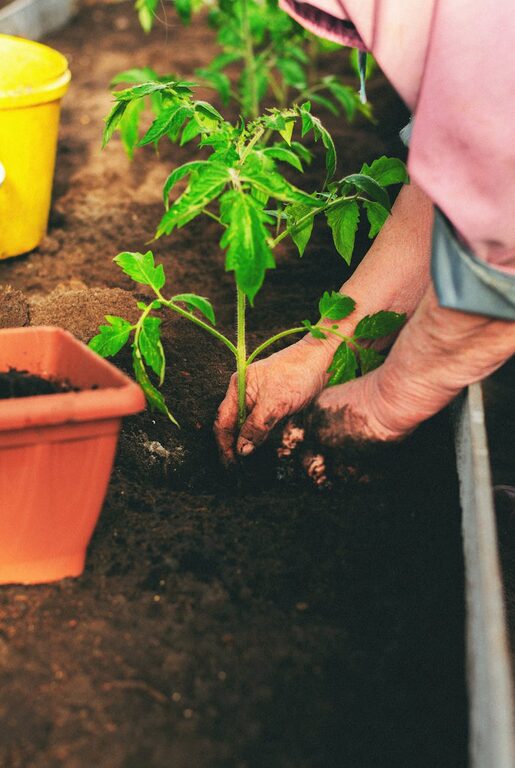
– Start Seeds Indoors: Begin seeds inside to get a head start on the growing season and protect young plants from unpredictable weather.
– Rainwater Harvesting: Set up rain barrels to collect water for later use, reducing reliance on tap water.
Summer: Water Wisely and Manage Pests
Summer can be challenging due to dry heat, but sustainable practices help keep your garden thriving.
– Mulching: Apply organic mulch around plants to retain moisture, regulate soil temperature, and suppress weeds.
– Water Efficiently: Water early in the morning or late in the evening to reduce evaporation. Use drip irrigation or soaker hoses to target roots directly.
– Encourage Beneficial Insects: Plant herbs and flowers like lavender, marigold, or dill to attract ladybirds and lacewings that help control pests.
– Crop Rotation: Rotate your vegetable crops annually to prevent soil depletion and reduce disease build-up.
Autumn: Harvest and Prepare for Winter
Autumn is the time to reap the rewards and prepare for the colder months.
– Harvest Regularly: Pick ripe fruits and vegetables to encourage further production and minimise waste.
– Plant Cover Crops: Grow cover crops such as clover or rye to protect the soil from erosion and fix nitrogen.
– Clear Debris Thoughtfully: Remove diseased plants but leave some fallen leaves or plant stems to provide shelter for beneficial insects.
– Compost: Gather garden waste and kitchen scraps to create nutrient-rich compost, reducing landfill waste and improving soil health.
Winter: Protect and Plan
Even in winter, there’s work to do to sustain your garden for the year ahead.
– Protect Plants: Use frost cloths, cloches, or mulch to shield tender plants from frost damage.
– Prune Wisely: Prune dormant shrubs and trees to encourage healthy growth in spring.
– Plan for Next Year: Reflect on this year’s successes and challenges; plan crop rotations and new plantings.
– Maintain Structures: Repair tools, raised beds, and irrigation systems so they are ready for spring.
—
Sustainable Gardening Practices to Incorporate Year-Round
To create a truly sustainable garden, consider these ongoing practices:
Build Healthy Soil
– Use Organic Fertilizers: Avoid synthetic chemicals by using compost, seaweed extract, or manure.
– Encourage Soil Life: Earthworms and microbes improve soil fertility and structure; avoid disturbing the soil unnecessarily.
– Minimise Soil Disturbance: Reduce digging or tilling to maintain soil layers and protect microorganisms.
Save Water
– Group Plants by Water Needs: Grouping plants that require similar watering helps avoid waste.
– Use Greywater: If local regulations allow, consider using greywater from sinks or baths to water plants.
– Install Water Butts: Collect rainwater instead of using mains water for irrigation.
Support Biodiversity
– Plant a Variety of Species: Different plants help attract a wide range of beneficial creatures.
– Create Habitats: Leave some wild spaces, install bird boxes, or create insect hotels.
– Avoid Pesticides: Instead, use natural pest control methods, such as companion planting and encouraging predators.
Reduce Waste
– Compost Garden and Kitchen Waste: This closes the nutrient loop, enriching your soil.
– Save Seeds: Collect seeds from heirloom or open-pollinated plants to grow your own new plants next season.
– Reuse Materials: Upcycle containers, use natural twine, and repurpose old items for planting or plant supports.
—
Seasonal Plant Recommendations for a UK Garden
Here are some plants that work well across seasons in UK gardens, adding resilience and seasonal interest.
– Spring: Broad beans, peas, spinach, daffodils, primroses.
– Summer: Tomatoes, courgettes, sunflowers, lavender.
– Autumn: Kale, leeks, autumn raspberries, chrysanthemums.
– Winter: Garlic (planted in autumn), winter cabbage, hellebores.
Choosing a mix of vegetables, herbs, and flowers that fit your regional climate will give your garden the best chance of thriving sustainably.
—
Final Thoughts
Creating a sustainable home garden is an ongoing project that benefits from thoughtful attention throughout the year. By working with the seasons, respecting natural cycles, and adopting eco-friendly techniques, you can enjoy a vibrant garden that nurtures both your family and the environment. Start small, learn as you go, and watch your sustainable garden flourish season after season. Happy gardening!