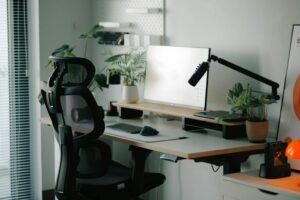
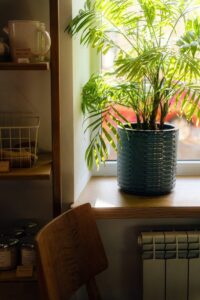




Creating a home office that is both comfortable and productive is essential when working remotely or managing tasks from home. A well-designed workspace can boost concentration, improve posture, and foster motivation, ultimately leading to better work performance. Whether you have a dedicated room or a small corner, these tips will help you create an environment tailored to your needs.
Choose the Right Location
Selecting the ideal spot for your home office is the foundation of a comfortable work environment.
– Quiet and Private: Look for a place with minimal distractions, away from noisy areas of the house.
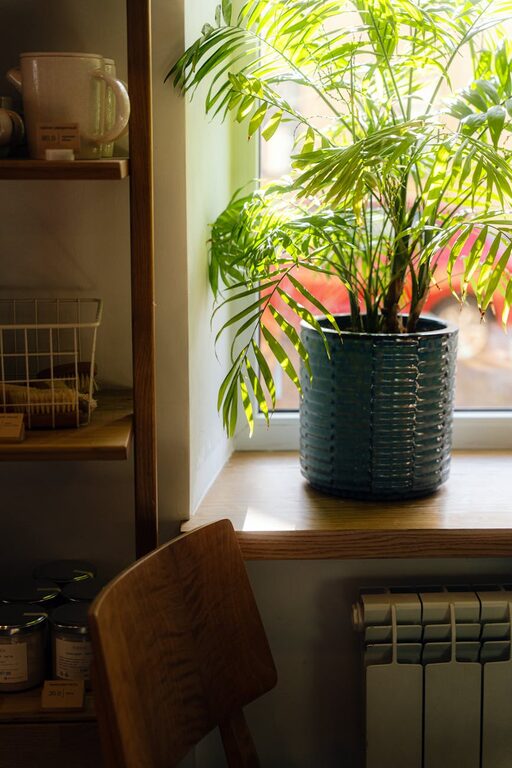
– Natural Light: Position your desk near a window if possible. Natural light reduces eye strain and enhances mood.
– Adequate Space: Ensure there is enough room for your desk, chair, and any extra equipment you need.
Even a small nook can be transformed into an effective workspace with a bit of creativity.
Invest in Ergonomic Furniture
Comfort during long working hours is crucial. Ergonomic furniture supports your body and helps prevent discomfort or injury.
– Office Chair: Choose a chair with adjustable height, lumbar support, and comfortable cushioning.
– Desk Height: Your desk should allow your elbows to rest at roughly 90 degrees when typing.
– Footrest: If your feet don’t touch the floor comfortably, consider a footrest to maintain good posture.
Good ergonomics contribute to sustained focus and reduce fatigue.
Optimise Lighting
Lighting has a significant impact on productivity and comfort.
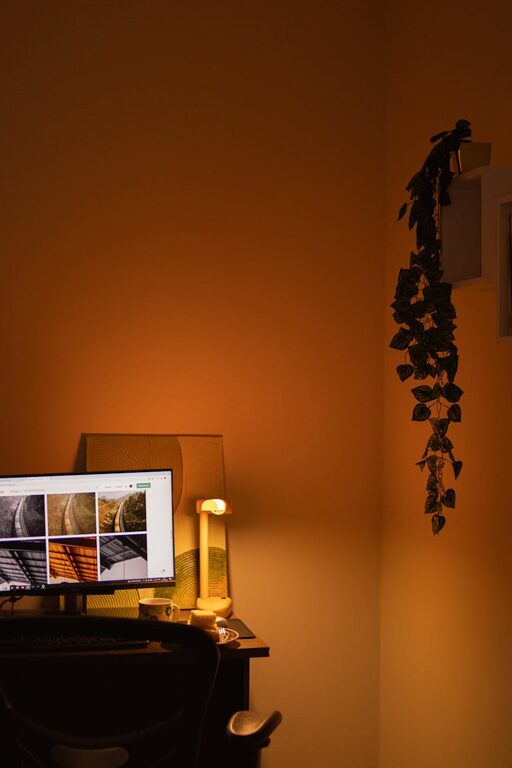
– Combine Natural and Artificial Light: Use natural daylight as much as possible but supplement with adjustable desk lamps to avoid glare or harsh shadows.
– Avoid Screen Glare: Position screens perpendicular to windows to reduce reflections.
– Warm Light: Choose bulbs with warm colour temperatures for a relaxed atmosphere, unless you prefer bright white light to stay alert.
Proper lighting helps prevent headaches and eye strain.
Keep Your Workspace Organised
A clutter-free area improves concentration and efficiency.
– Storage Solutions: Use shelves, drawers, or filing cabinets to keep documents and supplies tidy.
– Cable Management: Use clips or cable organisers to keep wires neat and avoid tangling.
– Minimal Decor: Keep your desk clear of unnecessary items but add a few personal touches, such as plants or photos, to make the space inviting.
Regularly declutter your workspace to maintain a sense of order.
Embrace Technology Wisely
Having the right tools streamlines your work.
– Reliable Internet: Ensure a stable connection for video calls and online research.
– Necessary Equipment: Use headphones with microphones, external webcams, or multiple monitors if needed.
– Software and Apps: Utilise productivity apps to help organise tasks and manage time effectively.
However, avoid overloading your workspace with unnecessary gadgets that can become distractions.
Create a Routine and Boundaries
The physical setup is crucial, but so is how you manage your time and habits.
– Set Work Hours: Define clear start and finish times to balance work and personal life.
– Breaks: Remember to take short breaks to stretch and rest your eyes.
– Communicate: Let household members know your working hours to minimise interruptions.
A consistent routine supports productivity and reduces stress.
Add Comfort and Personal Touches
A welcoming environment makes work more enjoyable.
– Plants: Adding greenery can reduce stress and improve air quality.
– Temperature Control: Use fans or heaters as needed to keep a comfortable temperature.
– Music or Background Noise: Some find working with gentle background sounds helpful; others prefer silence—choose what suits you best.
Personalising your space helps maintain motivation and well-being.
Consider Health and Wellness
Don’t overlook your health when designing your home office.
– Movement: Incorporate standing desks or take regular walks around the room.
– Hydration: Keep water nearby to stay hydrated throughout the day.
– Eye Care: Follow the 20-20-20 rule—every 20 minutes, look at something 20 feet away for 20 seconds.
Prioritising wellness supports long-term productivity.
—
Creating a comfortable and productive home office is about balancing practicality with personal comfort. By paying attention to location, furniture, lighting, organisation, technology, routine, and wellness, you can build a workspace that supports your best work every day. Start small, make adjustments, and enjoy the benefits of a home office tailored for success.